Digital Folklore: In Praise of Users
The full PDF of Digital Folklore: To Computer Users, with Love and Respect, edited by net artist Olia Lialina and Dragan Espenschied, designed by Manuel Bürger and published by merz & solitude in 2009. It documents and defends the amateur web, meaning animated GIFs, glitter graphics, under-construction signs, starry backgrounds, MIDI files and tilde URLs, as a genuine folk culture rather than an embarrassment. Preface by artist Cory Arcangel.

What it is
_Digital Folklore: To Computer Users, with Love and Respect_ is a 288*-page reader edited by Olia Lialina and Dragan Espenschied, designed by Manuel Bürger, and published in 2009 by *merz & solitude, the imprint run by Merz Akademie in cooperation with Akademie Schloss Solitude. Contributors include Cory Arcangel, Stefan Krappitz, Tobias Leingruber, Dennis Knopf, Siegfried Zielinski and a long list of Merz Akademie students. The whole book is available free as a PDF.
The argument
The editors coin the term outright. Digital Folklore, they write, "encompasses the customs, traditions and elements of visual, textual and audio culture that emerged from users' engagement with personal computer applications during the last decade of the 20th and the first decade of the 21st century."
The claim that follows is the sharp one: "The personal computer must be regarded as a medium with a cultural history shaped more by its users and less by its inventors." Not by Jobs, not by Berners-Lee, but by the people who put a tiled starfield background behind Comic Sans and meant it.
Alongside the essays sits Lialina's foundational piece "A Vernacular Web" (2005), which walks through the grammar of the mid-nineties amateur web: under-construction signs, free web element collections, MIDI, frames, the tilde in the URL, "Welcome to my homepage", "Mail me". Her point is that this was a real visual language with real conventions, killed off by dot-com money, professional authoring tools and usability consultants, not by bad taste.
Cory Arcangel's preface writes it from the other end. Yahoo had just announced it was deleting GeoCities, and he takes that as the warning: cultural capital does not convert into monetary capital, and once the shine wears off a platform, everything you made on it goes. The book also carries a Ted Nelson line from _Dream Machines_ (1974): "We are all naive users at some time or other; it's nothing to be ashamed of. Though some computer people seem to think it is."
Why it matters
Every argument about platform enshittification, algorithmic flattening and the death of the personal website is already in here, made in 2009, with better graphics. It reframes "amateur" as a compliment and treats ordinary users as culture-makers rather than a support burden, which is the ground floor of any serious digital media literacy. It is also a corrective to nostalgia: Lialina is analysing a form, not just missing it.
Key takeaways
- Coins "digital folklore" and makes the case that users, not inventors, shaped personal computer culture.
- Contains "A Vernacular Web", the canonical reading of nineties amateur web design as a real visual language.
- Free, legally hosted PDF, heavily illustrated. The design is half the argument, so read it as pages, not text.
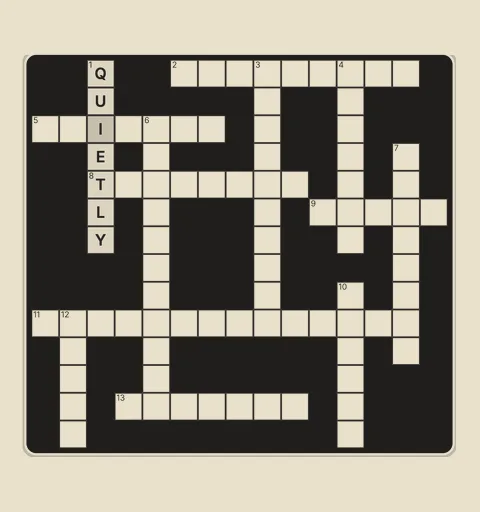
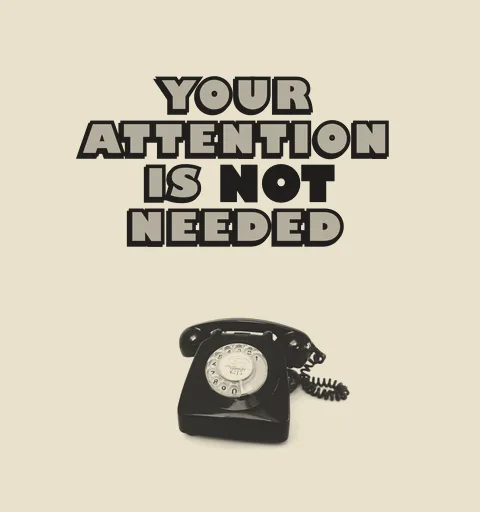
Cover design by Manuel Bürger. Cover image credited in the book as "unknown user, unknown year".
Download
Download the file· End of dispatch ·
About the correspondent

Dead Good Club
The House Curator brings together stories worth knowing about. Our editor selects and rounds up useful resources for the library, while summaries (usually AI-generated) offer a quick overview and helpful context. Every post links to the original article or video, so you can explore the full story for yourself. If you'd like to write for The Dead Good Club and see your work featured here, get in touch by email.