Brainrot and the Order of Things
An essay by Aidan Walker in his Substack newsletter How To Do Things With Memes, subtitled "the 'diagrammatic' aesthetic". Walker's newsletter looks at the ways and whys of meme posting and digital platforms, treating internet slop as something worth reading closely rather than dismissing. This particular post is paid-subscriber only, so the full argument sits behind a paywall after the opening. Worth a look if you want brainrot discussed as an aesthetic form rather than a moral panic.

What this is
A short essay published on 14 March 2025 by Aidan Walker, who writes the Substack newsletter _How To Do Things With Memes_. Its subtitle is "the 'diagrammatic' aesthetic".
Be warned before you click: the post is paywalled. Only the opening is readable without a paid subscription. If you want the full argument you will need the trial or a paid sub.
The framing in the title
The title borrows from Michel Foucault's 1966 book _The Order of Things_, which is about how a culture's underlying system of classification shapes what can be thought at all. Pointing that word "order" at brainrot is the move. It treats the genre as having a structure, not just an absence of one.
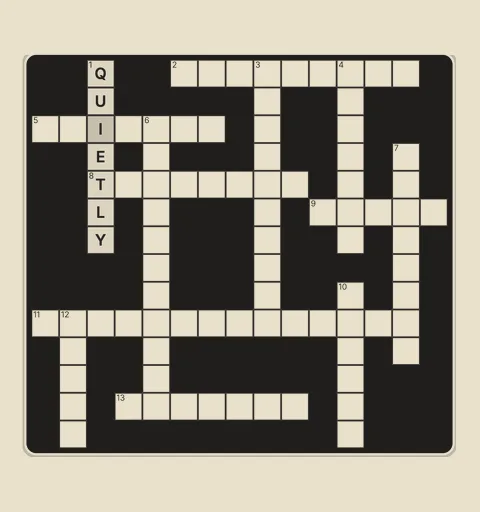
The stated subtitle, the "diagrammatic" aesthetic, signals that the piece is about form. Diagrams, charts, alignment grids, tier lists and the rest are a recognisable visual grammar of the current internet, and Walker's newsletter is the sort of place that takes that grammar seriously.
About the newsletter
_How To Do Things With Memes_ describes itself plainly: a blog that "looks into the ways and whys of meme posting and digital platforms". Its name is a nod to J. L. Austin's _How to Do Things with Words_, which is a decent summary of the editorial position. Memes as speech acts that do something, not just images that mean something.
Other posts in the archive include close readings of individual memes and platform behaviour. The archive is a better free entry point than this particular post if you are not paying.
Why it matters
Most writing about brainrot is either scolding or celebratory, and neither is much use. The scolding version treats short-form content as a hygiene failure. The celebratory version refuses to look at what the format does to attention. Criticism that reads internet material with the tools normally reserved for art and literature is a third option, and a scarcer one.
For anyone building media literacy work, that matters practically. You cannot teach people to read a form you have refused to describe. Taking the aesthetic seriously is a precondition for saying anything useful about what it costs.
Key takeaways
- Walker treats brainrot as an aesthetic with a structure worth analysing, not simply as degradation.
- The piece is short and paywalled, so budget for a subscription or read the free archive instead.
- The newsletter as a whole is a solid, non-hysterical source on meme culture and platform behaviour.
· End of dispatch ·
About the correspondent

Dead Good Club
The House Curator brings together stories worth knowing about. Our editor selects and rounds up useful resources for the library, while summaries (usually AI-generated) offer a quick overview and helpful context. Every post links to the original article or video, so you can explore the full story for yourself. If you'd like to write for The Dead Good Club and see your work featured here, get in touch by email.